
Videos
Culture has embraced the concept of the mixtape for decades, whether it was AND1 compiling street basketball video highlights into ten volumes of "mixtapes," 90s rave music DJs releasing their music via mixtapes, hip-hop's long-standing use of literal mixtapes in the 80s and, more recently, figurative "mixtapes" on streaming services like SoundCloud.
I grew up outside Washington, D.C. in the 80s and early 90s. I made mixtapes of my favorite songs to listen to while I mowed the lawn. I created a barrage of mixtapes (featuring bespoke covers) to give to my high school girlfriend. I eventually started editing together my favorite parts of songs into seamless compilations on mixtapes for when my attention was at a deficit.
For me, a typical high school mixtape featured songs by Black Sabbath, Aphex Twin, Fugazi, Public Enemy, Sonic Youth, Dead Can Dance, My Bloody Valentine, and Bad Brains consecutively. To my ears, it all sounded gloriously cohesive.
Last year, I endeavored to recreate the experience of making a mixtape by simulating the spirit of my two favorite elements of the form: 1) a wide variety of bands performing a 2) diverse array of musical styles.
However, I quickly recognized that, as a single person with a limited skill set, I wouldn't achieve that sort of variety with an acceptable degree of quality. Instead, I resorted to writing a disparate suite of songs and then getting as many people to help me play them as possible. It's as close to a mixtape as I'll get without tracking down a functional CD/cassette player on eBay.
Credits
Julie D, Jen Fox, Sam Gutterman, Aileen Paron, and Gary Thorstensen - my friends who also happen to be bandmates in my other two bands, These People Here and Guest Directors. If you haven't heard them play in those bands, you may have heard them play in Chinchilla, Model Shop, Kayo Dot, Scarlet Season, and TAD, respectively. Their various talents are scattered all over these recordings.
Sheridan Riley - you've likely heard them play drums in Alvvays, but I first heard them playing in Zen Mother and, later, solo drum shows around town. I got the best of both worlds from Sheridan on "Infinitesimal Cathedrals of Glass:" great beats and creative processing.
Kellii Scott - he plays in one of my all-time favorite and inspirational rock bands, Failure. He finds just the right beats to support and propel that band’s stringed wizardry, and he graciously did the same for me on "Another Fourth."
Kenneth Schalk - when there's a YouTube video of someone titled "The Best Metal Drummer Ever," and the comments section agrees, you know the guy's good. From the first time I saw Ken play in his band Candiria back in 1995, he's been my favorite drummer to watch. And I got to duet with him on "Valley." That fact may go on my tombstone.
Natalia Czajkiewicz - Without even getting into her excellent visual art creations, I heard Natalia's voice in Dead Spells and Love & Pain and knew it would fit perfectly on "The Singers Sing the Desiccation Blues," and she proved me right.
Kai Koehler - You may have heard Kai taking cello requests while busking at his brother's soccer games. His age may not yet have been in the double-digits at the time of this recording, but he was already a total pro in the studio. You'll hear the kid's compelling drone on "Anthem to the Cascades in Winter."
Andrew King and Mike Sparks Jr. - they play together in one of my favorite bands in town, Reader, but I needed to split them up in order to fill two of the biggest voids on the entire record: "Come Sing With Me" and "A Prayer for Rain," respectively. And fill them, they did.
Robert Cheek - Robert recorded almost everything on this record and then mixed it all, but he also chimed in with a couple of valuable musical additions in the form of a Moog and glockenspiel on "Another Fourth." You can hear Robert play bass in Nesting, or check out his earlier band, By Sunlight. Great stuff.
Aileen, Andrew, Gary, Ken, Kellii, Natalia, Sheridan recorded their contributions. Robert Cheek recorded everything else and mixed it all at ExEx Audio near the troll in the sunny Fremont neighborhood of Seattle, Washington. Once again, Brad Boatright of Audioseige mastered the album.
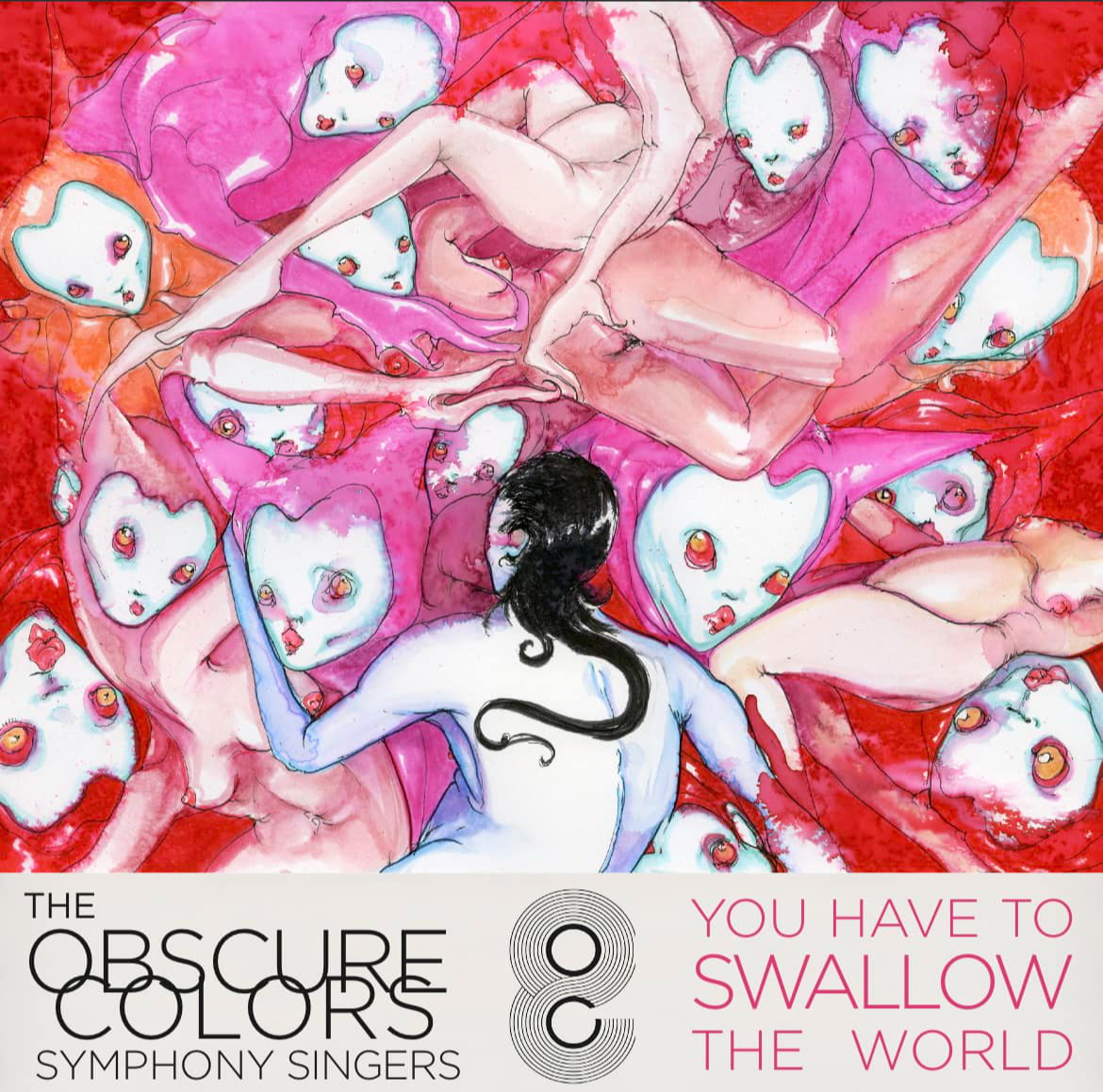
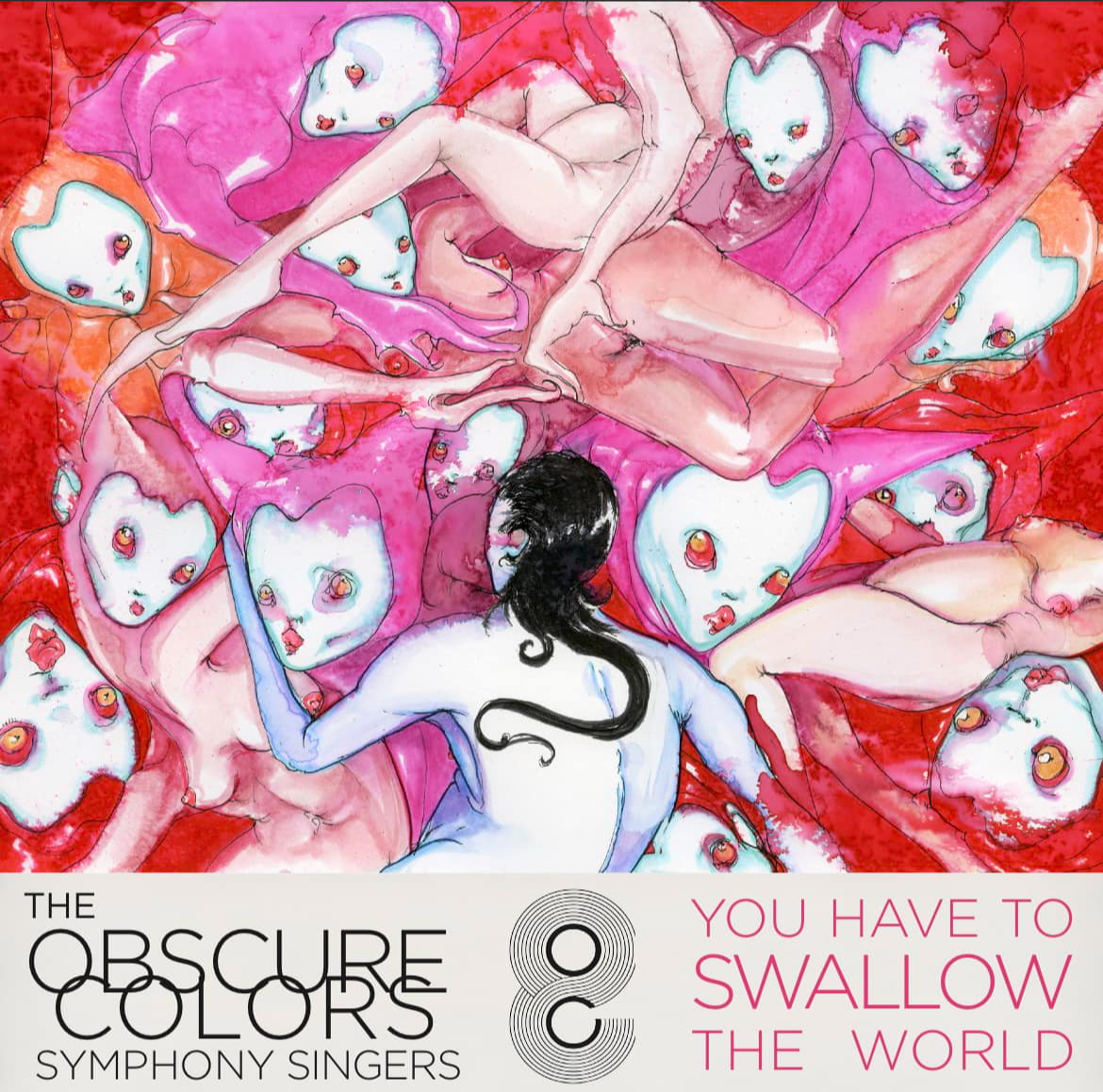
The mighty Blake Armstrong created the cover art, and Charles Russo helped to turn it into the cover.
Julie D and Topsy Records kindly and thoughtfully helped to send this album out into the world.